

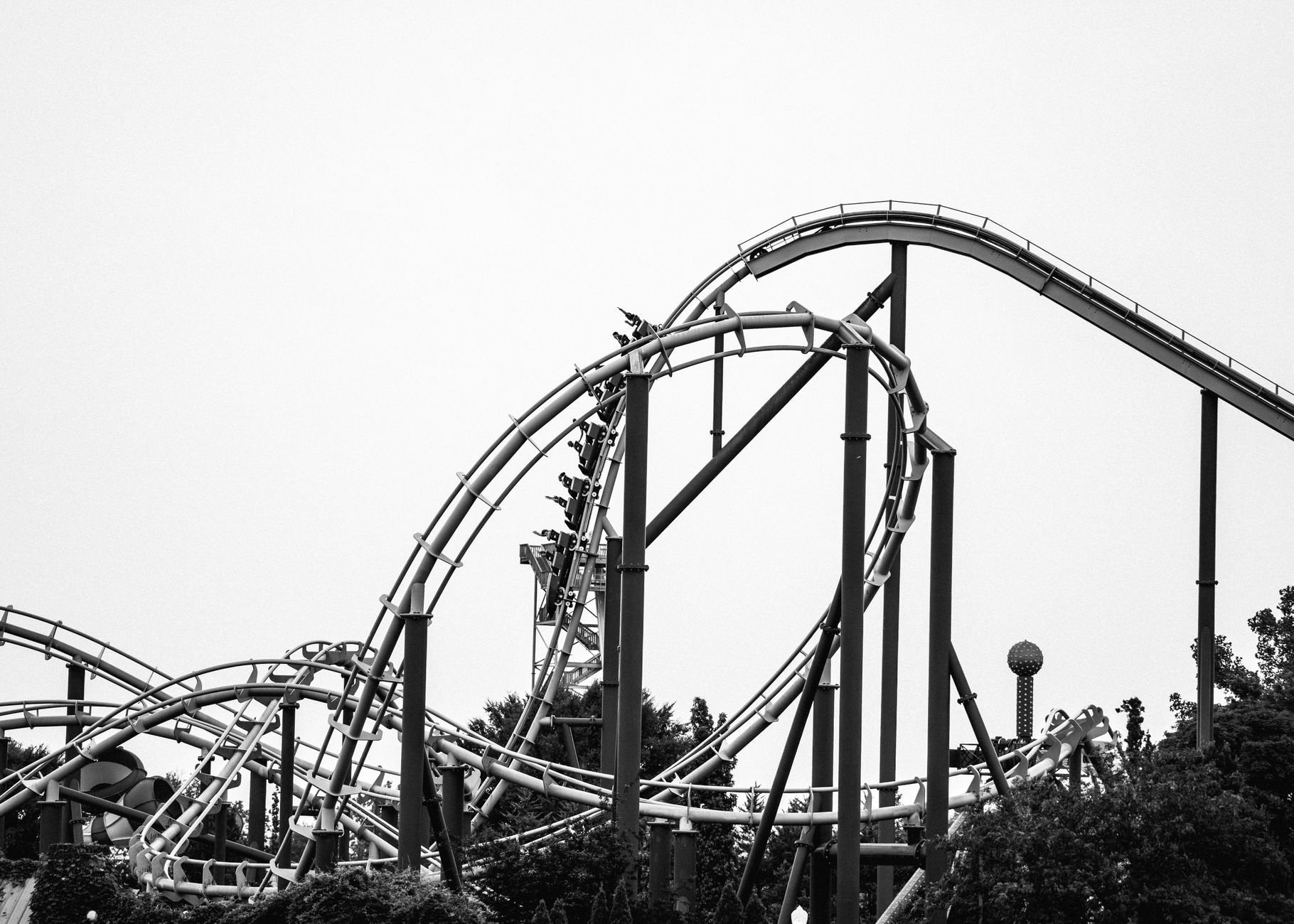
Roller Coaster Safety: Clear Guidelines for Thrilling Rides
Roller coaster safety is a critical issue following a tragic incident involving a rider’s death. As amusement parks continue to innovate with thrilling rides, ensuring rider safety must remain a top priority.
Recent Incidents in Amusement Parks
Recent incidents in amusement parks have raised significant concerns regarding roller coaster safety. In light of a tragic accident involving a rider’s death, experts and authorities are calling for stricter regulations and improved safety measures across the industry.
Amusement parks are continuously pushing the boundaries of thrill rides, but this has led to heightened risks. Various factors can contribute to accidents, including:
- Mechanical failures
- Poor maintenance practices
- Operator error
- Inadequate rider safety measures
It is essential for both park operators and riders to be aware of the importance of adhering to safety guidelines. Ensuring that all safety protocols are followed can help prevent tragic accidents and ensure a safer experience for everyone involved. As the discussion on roller coaster safety continues, stakeholders are urged to prioritize the well-being of guests to maintain the thrill without compromising safety.
Understanding Ride Safety Standards
Ensuring roller coaster safety is paramount for amusement parks worldwide. Various organizations establish standards and regulations to maintain the highest level of safety for riders. These guidelines encompass several critical aspects:
- Design and Engineering: Coasters must be designed by qualified engineers who adhere to strict safety protocols.
- Regular Inspections: Parks are required to conduct routine inspections and maintenance checks to ensure all components function correctly.
- Operator Training: Staff must undergo extensive training to handle equipment safely and respond to emergencies.
- Rider Safety Restraints: Safety bars and harnesses are designed to securely hold riders in place throughout the ride.
Many amusement parks also rely on third-party safety audits to evaluate their compliance with established regulations. By following these guidelines, parks aim to deliver thrilling yet safe experiences for all their guests.
The Role of Inspections in Safety
Ensuring roller coaster safety is a multifaceted process, with inspections playing a crucial role. Regular assessments of rides are essential to identify potential hazards and maintain high safety standards. These inspections typically involve a thorough examination of mechanical components, structural integrity, and operational systems.
Amusement parks often follow stringent guidelines set by regulatory agencies to conduct these inspections. Key aspects of the inspection process include:
- Daily Checks: Operators must perform visual inspections before opening to the public.
- Monthly Evaluations: A more detailed review of ride mechanics, including testing safety restraints and emergency systems.
- Annual Inspections: Comprehensive assessments conducted by third-party experts to ensure all safety protocols are followed.
By adhering to these inspection protocols, amusement parks aim to minimize risks and enhance roller coaster safety, allowing guests to enjoy their thrilling experiences with peace of mind.
Public Reaction to Thrilling Rides
Following the recent tragic incident involving a roller coaster rider’s death, public reaction has been swift and intense. Many thrill-seekers express concern over roller coaster safety, questioning the adequacy of existing safety measures.
Social media platforms have been abuzz with discussions, as users share personal experiences and express their fears about riding these adrenaline-pumping attractions. Numerous parents are particularly worried about the safety of their children, voicing that they will reconsider allowing them to ride after hearing the news.
Amusement parks are facing pressure to enhance their safety protocols. In a recent survey, a significant number of respondents indicated that they would feel safer if parks implemented more rigorous safety checks and provided clearer guidelines regarding ride restrictions.
Some industry experts remind the public that while roller coasters are designed for thrill, they must also prioritize safety to maintain trust and enjoyment among riders.
Future of Roller Coaster Design
The future of roller coaster design is increasingly focused on enhancing roller coaster safety while delivering thrilling experiences. As technology advances, manufacturers are tasked with creating rides that push the limits of exhilaration without compromising rider well-being.
Engineers are now implementing innovative safety features, including:
- Advanced restraint systems: These new designs ensure that riders remain securely in place during their journey.
- Smart technology: Sensors can monitor ride conditions in real-time, alerting operators to any potential safety issues.
- Improved materials: The use of durable, lightweight materials not only enhances structural integrity but also contributes to smoother ride experiences.
As the industry evolves, collaboration between designers, safety regulators, and amusement park operators will be essential. This partnership aims to create an environment where thrill-seekers can enjoy their favorite rides with confidence in their safety.
Photo by Giulia Botan on Pexels
