

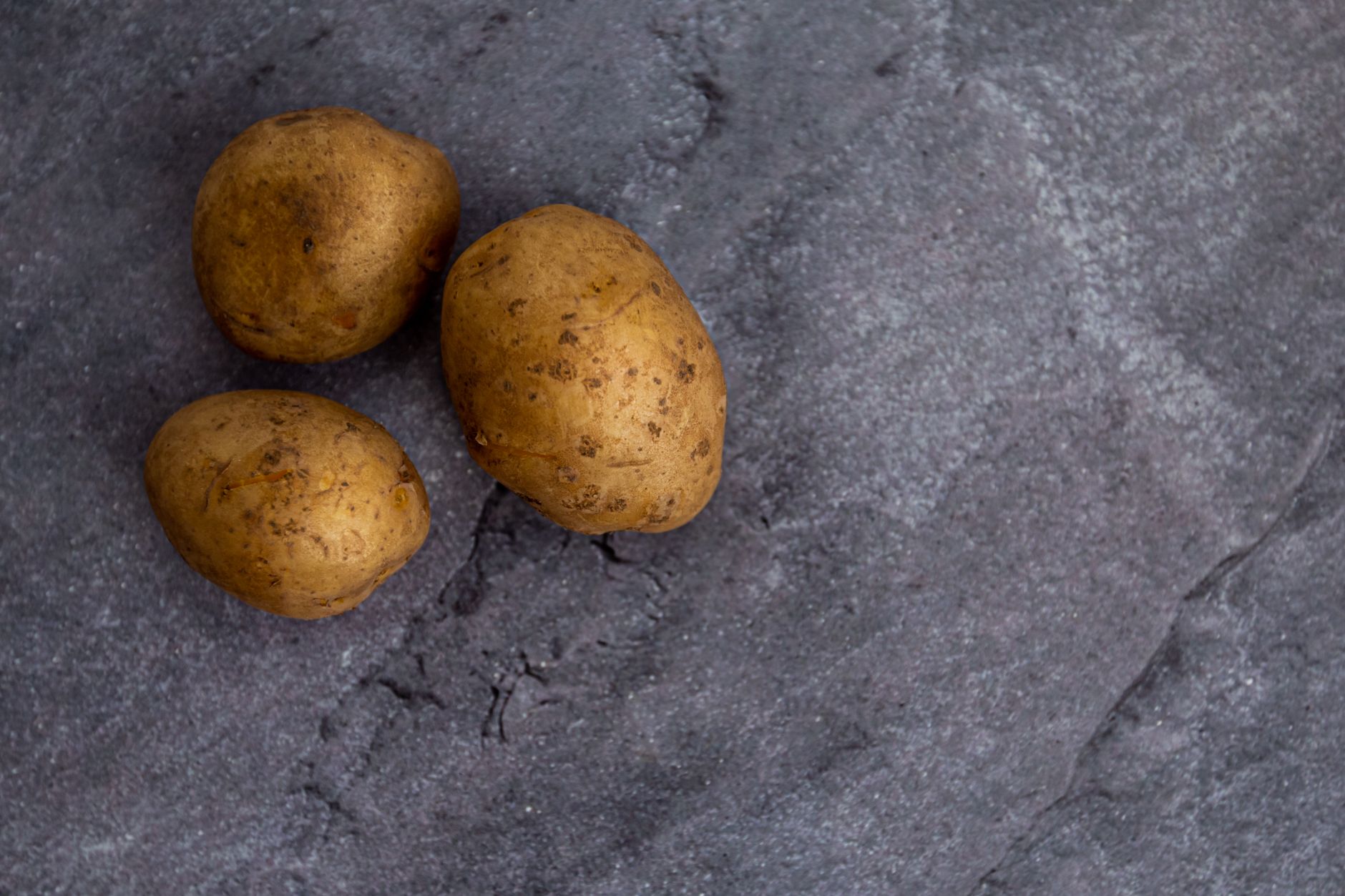
Potatoes in Space: The Best Proven Food Source for Moon Bases
potatoes in space are being explored as a viable food source for future moon bases. Scientists believe that these versatile tubers could support long-term human habitation on the lunar surface.
The Role of Potatoes in Space Missions
As space exploration ventures further into our solar system, the role of potatoes in space missions is becoming increasingly significant. Scientists emphasize that these versatile tubers could be a key food source for future moon bases, offering an efficient and sustainable option for astronauts.
Potatoes are not only nutritious but also remarkably resilient, thriving in diverse conditions. Their adaptability makes them an ideal candidate for cultivation in extraterrestrial environments. Research has shown that potatoes provide essential vitamins and minerals, including:
- Vitamin C
- Vitamin B6
- Potassium
- Dietary fiber
Furthermore, potatoes have a high yield per square meter, making them a space-efficient crop. They can be grown in hydroponic systems, which require less water than traditional farming methods. This is particularly advantageous in space, where resources are limited.
Incorporating potatoes into the diet of astronauts can enhance their overall health and well-being during long-duration missions. As plans for moon bases progress, the cultivation of potatoes in space could play a crucial role in ensuring food security and supporting human life beyond Earth.
Benefits of Growing Potatoes on the Moon
Growing potatoes on the Moon presents numerous benefits that could significantly support future lunar missions. As scientists explore sustainable food sources for long-term habitation, potatoes in space emerge as a viable option. Here are some key advantages:
- Nutritional Value: Potatoes are rich in essential vitamins and minerals, including vitamin C, potassium, and dietary fiber, making them a nutritious staple for astronauts.
- High Yield: Potatoes produce a large number of edible tubers per plant, offering a substantial food supply from relatively small cultivation areas.
- Adaptability: Potatoes can thrive in various environmental conditions, suggesting they may be genetically manipulated or selectively bred for optimal growth on the Moon.
- Resource Efficiency: Growing potatoes requires less water compared to other crops, which is crucial in the resource-limited environment of a lunar base.
- Psychological Benefits: The act of growing food can provide a sense of normalcy and mental well-being for astronauts, potentially reducing stress during long missions.
In conclusion, the benefits of growing potatoes on the Moon underscore their potential as a primary food source, making them an essential component of future lunar colonization efforts.
Challenges of Space Agriculture
While the idea of cultivating potatoes in space presents exciting possibilities for lunar agriculture, several challenges must be addressed to ensure successful growth. One primary concern is the extreme environment of the Moon, which includes high levels of radiation, temperature fluctuations, and a lack of atmosphere. These factors could adversely affect plant growth and development.
Another significant hurdle is the availability of essential resources. Water is crucial for potato cultivation, yet it is scarce on the Moon. Scientists are exploring various methods to recycle water and extract it from lunar soil, but these technologies are still in their infancy. Without a reliable water source, growing potatoes may prove difficult.
Additionally, the soil on the Moon lacks the necessary nutrients that potatoes require. Bringing soil from Earth is not feasible for long-term missions, so researchers are investigating how to enrich lunar regolith with the essential minerals needed for potato growth.
Finally, creating an efficient closed-loop system that provides adequate light, temperature control, and air circulation is vital. These systems must be designed to function autonomously, as human presence will be limited. Overcoming these challenges is essential for making potatoes a viable food source for future moon bases.
Future of Food in Space Exploration
The future of food in space exploration is evolving, with a focus on sustainable and efficient food sources for long-duration missions. As scientists delve deeper into the potential of potatoes in space, the prospect of establishing reliable food systems on celestial bodies becomes increasingly feasible.
One of the main advantages of cultivating potatoes is their adaptability and nutrient density, making them an ideal candidate for moon bases. The ability to grow potatoes effectively in regolith, the lunar soil, can provide astronauts with essential carbohydrates and vitamins, supporting their health during extended stays.
As research progresses, scientists are exploring innovative agricultural techniques that could enhance potato growth in low-gravity environments. These include:
- Hydroponics: A method of growing plants in nutrient-rich water, reducing the need for soil.
- Aeroponics: Growing plants in an air or mist environment, allowing for efficient use of water and nutrients.
- Controlled Environment Agriculture: Utilizing technology to create optimal growing conditions for plants.
By overcoming the challenges of space agriculture, potatoes may not only serve as a vital food source for moon bases but also pave the way for future missions to Mars and beyond.
Scientists are now exploring the potential of growing potatoes in space to sustain long-term lunar missions. The versatility and nutritional value of potatoes in space make them an ideal food source for future moon bases.
Photo by Victoria Emerson on Pexels
Read the original
Ukraine talks Russia: What’s the Right Strategy for Peace? · AI-driven mathematical discovery: Proven methods for reliable results · Quad Stability: Is it the Best Solution for Global Peace?
