

Hindu voters deleted: What’s the real story behind this claim?
Hindu voters deleted has become a controversial topic following statements from the UP CEO. The claims have stirred debate about electoral processes and fairness.
Understanding the Claims About Hindu Voter Deletion
The recent claims regarding the deletion of Hindu voters from electoral rolls in Uttar Pradesh have sparked widespread controversy and debate. The allegations suggest that a significant number of Hindu voters have been systematically removed, raising concerns about electoral integrity.
In response to these claims, officials from the Uttar Pradesh Chief Electoral Officer (CEO) have clarified that they do not maintain data based on religion. This statement has led to further inquiries about the reliability of the electoral process and the methods used to update voter lists.
Several key points emerge from the ongoing discussion:
- Data Transparency: Critics argue that a lack of transparency in the voter registration process contributes to distrust among various communities.
- Verification Processes: Authorities emphasize the importance of regular updates and verifications to maintain accurate electoral rolls.
- Community Reactions: The alleged deletion of Hindu voters has prompted reactions from various political and community leaders, demanding accountability.
As investigations continue, the situation remains fluid, with many awaiting clearer insights into the alleged deletion of Hindu voters and the implications for upcoming elections.
What Did the UP CEO Say?
The Chief Electoral Officer (CEO) of Uttar Pradesh addressed the claims regarding the deletion of Hindu voters during a recent press conference. In his statement, he emphasized that the Election Commission does not maintain data categorized by religion, which raises questions about the validity of the allegations surrounding the deletion of Hindu voters.
He further clarified that the process of updating the electoral rolls is systematic and follows established protocols. According to him, any discrepancies in voter registration are often due to a variety of factors, including individuals moving out of the area, changes in eligibility, or even mistakes during the registration process.
The CEO noted that the electoral body is committed to ensuring a fair and transparent electoral process. He urged citizens to verify their voter registration status and report any issues to the appropriate authorities. In his view, the narrative surrounding Hindu voters deleted is misleading and lacks substantial evidence.
In conclusion, the UP CEO’s remarks indicate a need for more comprehensive awareness among voters regarding the electoral registration process, as well as the importance of relying on verified information rather than unsubstantiated claims.
Implications for Election Integrity
The recent claim regarding Hindu voters deleted from electoral rolls has raised significant concerns about the integrity of the election process in Uttar Pradesh. As the debate unfolds, it is crucial to examine the broader implications such allegations may pose for the democratic framework of the state.
Firstly, the accusation can undermine public trust in electoral institutions and processes. Voters may feel disenfranchised or question the reliability of their representation if they believe that certain groups are being unfairly targeted or removed from voter lists.
Moreover, such claims can escalate communal tensions and polarize communities, leading to social unrest. This divisive atmosphere can impact not only voter turnout but also the overall political climate in the region.
Additionally, the lack of verifiable data, as pointed out by the UP Chief Electoral Officer, highlights the need for transparency and accountability in the management of electoral rolls. If allegations continue without substantial evidence, it may distract from critical discussions about electoral reforms and the need for more robust systems to ensure that every eligible voter has the opportunity to participate in elections.
Ultimately, addressing these claims responsibly is essential for preserving the democratic ethos of the region.
Public Reaction to the Claims
The claims regarding Hindu voters deleted from the electoral rolls have ignited a significant public reaction, sparking debates across various platforms. Many individuals took to social media to express their concerns and frustrations, highlighting the potential implications for democracy and electoral integrity.
In response to the allegations, a variety of opinions emerged:
- Supporters of the Claim: Some individuals believe that the deletion of Hindu voters is part of a larger conspiracy to manipulate electoral outcomes. They argue that this could disenfranchise a substantial segment of the population.
- Critics of the Claim: Conversely, others have dismissed the allegations as unfounded. They emphasize the need for credible evidence before jumping to conclusions and cite comments from officials like the UP CEO, who stated, “We don’t have data based on religion.”
- Neutral Observers: Many citizens are calling for a thorough investigation into the matter. They stress the importance of transparency and accountability in the electoral process, regardless of the political implications.
As the debate continues, the focus remains on ensuring that all eligible voters, including those identified as Hindu, are represented fairly in upcoming elections.
Analyzing Voter Deletion Reports
Recent reports regarding the deletion of Hindu voters from electoral rolls have sparked widespread discussion and concern among the public. In an effort to clarify the situation, election officials have provided insights that challenge the narrative circulating on social media platforms.
According to the Chief Electoral Officer (CEO) of Uttar Pradesh, “We don’t have data based on religion.” This statement underscores the idea that voter deletions are not conducted with religious demographics in mind. Instead, they stem from various administrative reasons, including inaccuracies in registration and the need for periodic updates to the electoral rolls.
The CEO also emphasized that the deletion process adheres to established protocols aimed at maintaining the integrity of the voting system. This has led to questions about how the narrative of Hindu voters deleted gained traction and the motivations behind spreading such claims.
As the conversation continues, it is crucial to rely on verified information rather than anecdotal evidence. Misinformation regarding voter deletions could undermine public trust in the electoral process, making it essential to address these concerns with factual clarity.
The controversy surrounding the claim that Hindu voters deleted their registrations has sparked widespread debate. Analysts are now investigating the implications of how many Hindu voters deleted their information and the potential reasons behind it.
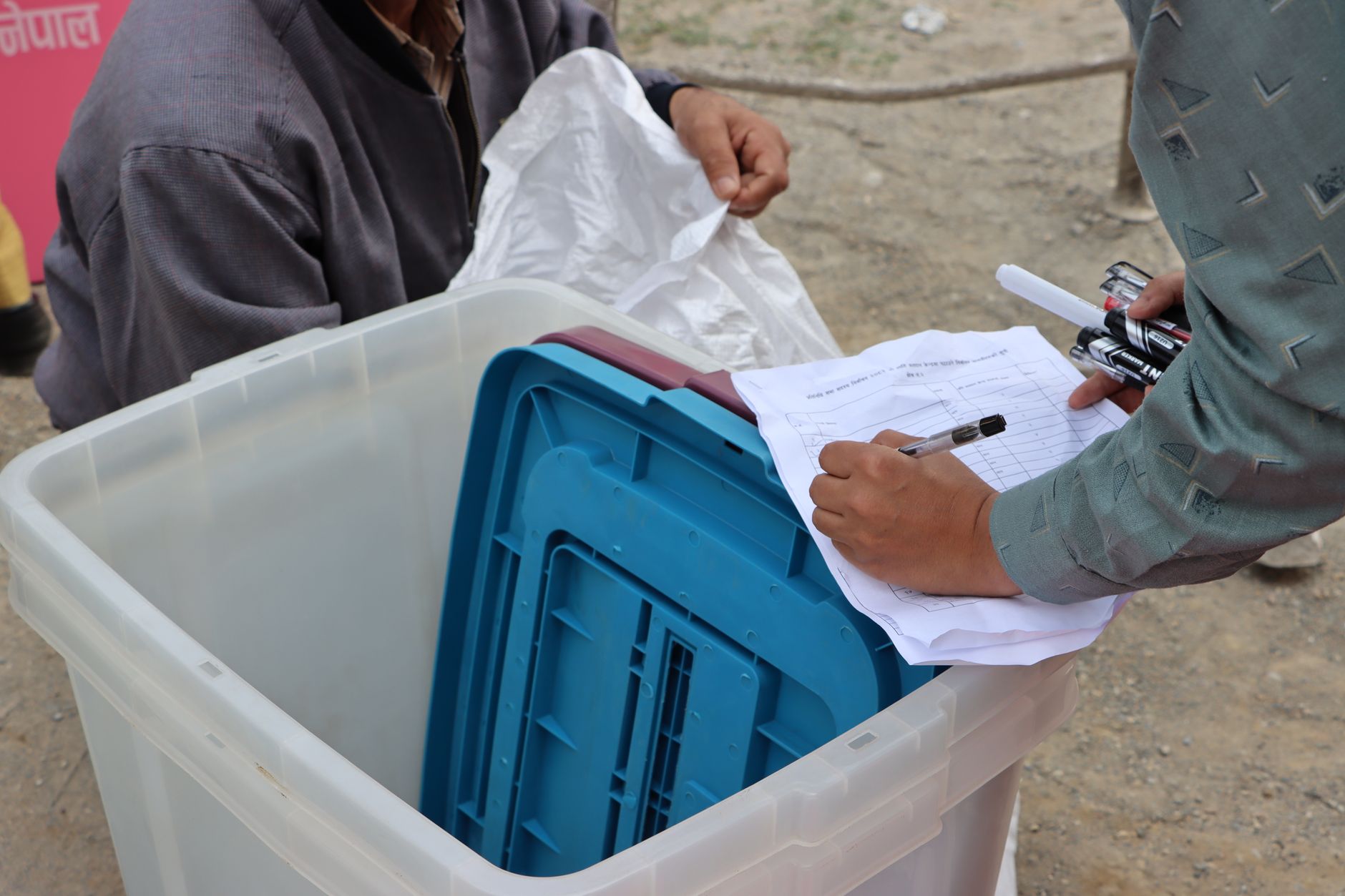
Photo by CP Khanal on Pexels
References
Sensex Market Decline: Key Reasons Behind Today’s Fall · Assam Road Safety Plan: Proven Steps for Safer Travel · Outlook Microsoft 365 outage: Worst hidden bug revealed!
