

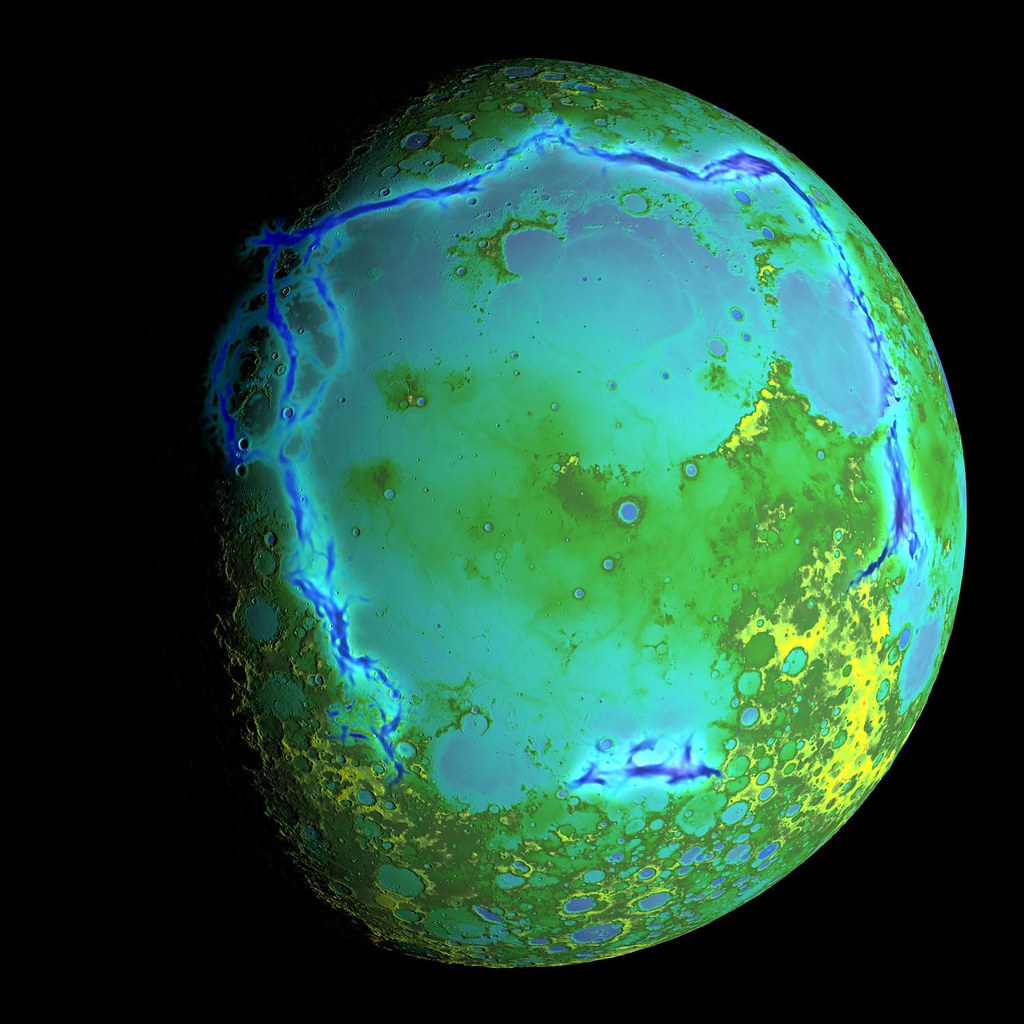
Hidden planet discovery: The best proven insights revealed
hidden planet discovery has captivated astronomers and enthusiasts alike. Recent findings suggest that a new celestial body has emerged from the glare of our solar system, sparking excitement in the scientific community.
What is the hidden planet?
The hidden planet, often referred to as a potential ninth planet in our solar system, has captured the attention of astronomers and space enthusiasts alike. This elusive celestial body is believed to exist beyond the orbit of Neptune, shrouded in the vastness of the Kuiper Belt. Its discovery could significantly alter our understanding of the solar system’s formation and evolution.
Researchers suggest that the hidden planet is approximately ten times the mass of Earth, making it a super-Earth type of planet. The idea of a hidden planet has been fueled by the unusual orbits of distant trans-Neptunian objects, which seem to be influenced by the gravitational pull of an unseen giant.
- Location: The hidden planet is hypothesized to reside in a distant orbit, far from the Sun, making it difficult to observe directly.
- Characteristics: Its size and mass suggest that it could possess a thick atmosphere, and possibly even rings or moons.
- Significance: The discovery of this hidden planet could provide crucial insights into the formation of the solar system and the nature of planetary systems beyond our own.
As scientists continue to gather data and refine their models, the quest to confirm the existence of this hidden planet remains a top priority in contemporary astrophysics.
How was it discovered?
The discovery of the hidden planet has captivated astronomers and enthusiasts alike, primarily due to its unconventional detection methods. Traditional methods of planet hunting often rely on observing the transit of planets across their stars or the gravitational effects they exert on nearby celestial bodies. However, the hidden planet emerged from the glare through a different approach.
Researchers utilized advanced telescopic technology and data analysis techniques to uncover this elusive world. A combination of infrared observations and computer modeling allowed scientists to sift through vast amounts of data, isolating signals that indicated the presence of the hidden planet.
Additionally, the discovery was aided by the collaboration of multiple observatories worldwide. This network of telescopes provided a comprehensive view of the skies, enhancing the ability to detect faint signals obscured by brighter stars. The meticulous analysis revealed patterns consistent with the gravitational influence of a planet.
Experts attribute the success of this hidden planet discovery to the innovative use of technology, highlighting the importance of interdisciplinary approaches in astronomy. As researchers continue to refine their methods, the potential for discovering more hidden celestial bodies increases dramatically.
- Advanced telescopic technology
- Infrared observations
- Collaboration among global observatories
Implications for future research
The recent hidden planet discovery has opened new avenues for astronomical research and understanding of our solar system. Scientists believe that this discovery could significantly enhance our comprehension of planetary formation and evolution.
One of the key implications of this finding is the potential for identifying similar hidden planets in other star systems. Researchers are now more equipped to refine their search techniques, utilizing advanced telescopes and satellite technology to uncover celestial bodies that have remained elusive.
Furthermore, the hidden planet discovery may impact our theories regarding the configuration of planets around their stars. This could lead to a reevaluation of existing models that describe how planets form and interact over time.
In addition to theoretical advancements, this discovery has practical implications for future space missions. The interest in hidden planets could drive funding and initiatives aimed at exploring these mysterious worlds, potentially leading to groundbreaking discoveries beyond our current knowledge.
- Refinement of detection methods: Improved techniques to locate hidden celestial bodies.
- Theoretical advancements: Reevaluation of planetary formation models.
- Future missions: Increased funding for exploratory missions to hidden planets.
As researchers continue to analyze the implications of this hidden planet discovery, the scientific community eagerly anticipates the insights that will emerge from future studies.
The science behind hidden planets
Recent advancements in astronomy have shed light on the science behind hidden planet discovery, revealing fascinating insights into our solar system and beyond. Astronomers have long suspected the existence of planets that elude direct observation, often due to their distant locations or the overwhelming brightness of nearby stars. These hidden planets can significantly influence the dynamics of their celestial surroundings, leading to intriguing research opportunities.
The techniques employed to uncover these elusive worlds are varied and constantly evolving. One of the most effective methods is gravitational microlensing, where the gravitational field of a massive object, such as a star or planet, bends the light from a background star. This phenomenon can reveal the presence of a hidden planet orbiting the foreground star. Additionally, transit photometry, which tracks the slight dimming of a star as a planet passes in front of it, has proven successful in identifying planets that might otherwise remain undetected.
Furthermore, scientists are employing advanced computational models to simulate the gravitational interactions between celestial bodies. These models help predict the existence of hidden planets based on observed anomalies in the movement of known objects. As research in this field progresses, the potential for discovering more hidden planets expands, providing invaluable insights into the formation and evolution of planetary systems.
The hidden planet discovery has sparked interest among astronomers and researchers eager to learn more about our solar system. Many believe that this hidden planet discovery could lead to groundbreaking advancements in our understanding of planetary formation.
By NASA Goddard Photo and Video via Openverse
