

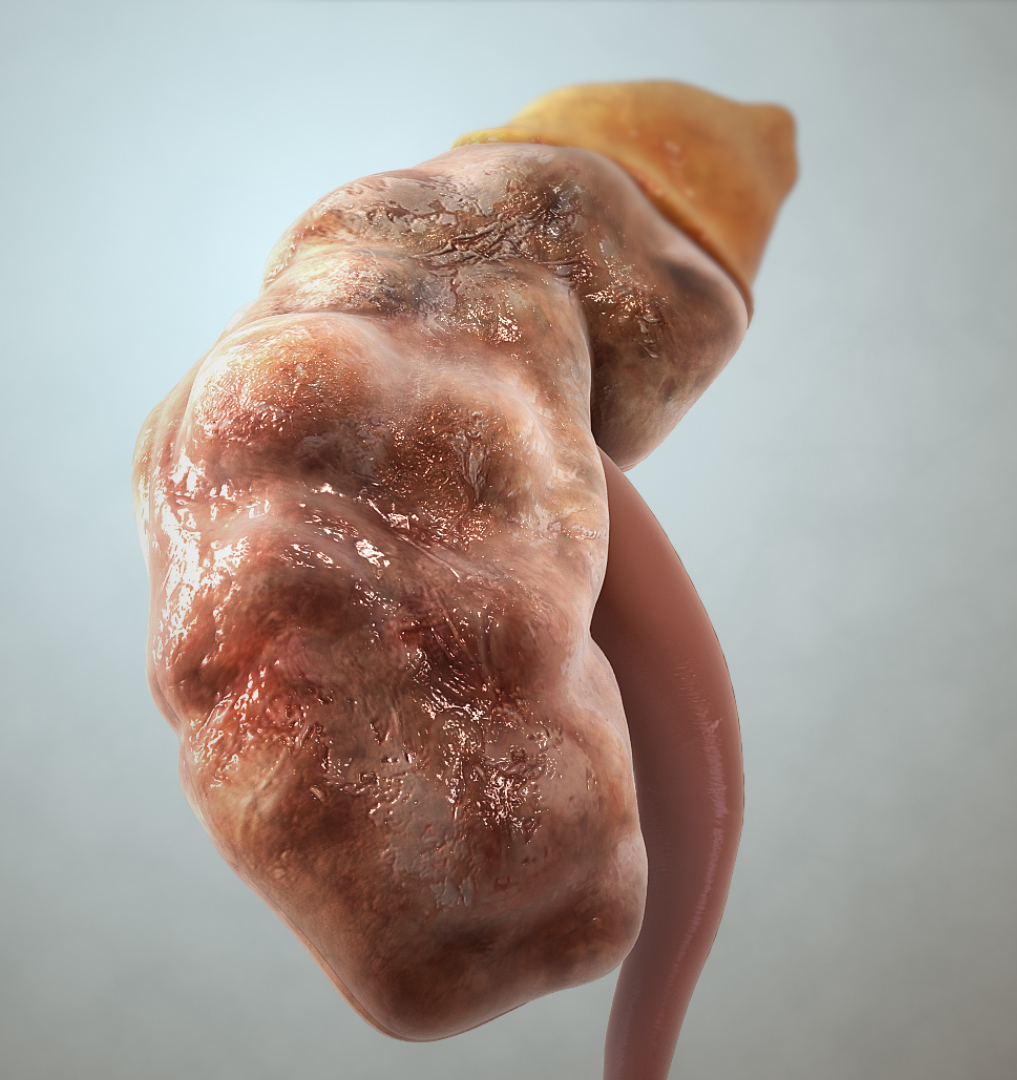
Chronic Kidney Disease: The Worst Underestimated Risk for Cancer Patients
Chronic kidney disease is frequently underestimated in cancer patients, posing significant health risks. This article explores the reasons behind this issue and its potential consequences.
Understanding Chronic Kidney Disease
Chronic kidney disease (CKD) is a progressive condition that affects the kidneys’ ability to filter waste and excess fluids from the blood. This condition is often overlooked, especially among cancer patients, who may be unaware of their risk due to common tests that fail to accurately assess kidney function.
CKD can occur in various stages, and its early detection is crucial for effective management. Many individuals may not experience noticeable symptoms until the disease has advanced. This makes it essential for healthcare providers to implement more comprehensive testing methods for at-risk populations, including those undergoing cancer treatment.
Several factors contribute to the development of CKD in cancer patients, such as:
- Chemotherapy-related toxicities
- Radiation exposure
- Pre-existing health conditions, like diabetes or hypertension
Given the potential impact of CKD on overall health and cancer treatment outcomes, it is vital for both patients and healthcare professionals to remain vigilant. Regular monitoring and an understanding of kidney health can significantly improve patient care and prevent further complications.
Why Kidney Tests Fail Cancer Patients
Many cancer patients face a significant risk that is often overlooked: chronic kidney disease (CKD). Unfortunately, standard kidney tests frequently fail to accurately diagnose CKD in these individuals. This underestimation can lead to dire consequences for patient care and treatment outcomes.
One primary reason for this failure is the reliance on traditional measures of kidney function, such as serum creatinine levels. These tests do not fully account for the complex interactions between cancer treatments and kidney health. As a result, patients may receive a misleading indication of their kidney function, leaving CKD undetected.
Additionally, the presence of cancer can alter kidney function in ways that complicate diagnosis. For instance, certain medications used in cancer therapy may affect creatinine production and clearance, skewing test results. The impact of hydration status, tumor burden, and systemic inflammation can further obscure underlying kidney issues.
- Inadequate screening methods: Common tests may miss subtle changes.
- Complex interactions: Cancer treatments can uniquely affect kidney health.
- Need for improved protocols: Enhanced testing strategies are essential.
Addressing these gaps is crucial for better management of chronic kidney disease in cancer patients.
The Importance of Accurate Diagnosis
Accurate diagnosis of chronic kidney disease is crucial for cancer patients, as it directly impacts treatment decisions and outcomes. Despite the prevalence of kidney issues among this population, traditional kidney function tests often fall short in identifying the severity of the disease.
This underestimation can lead to inadequate management of both kidney health and cancer treatment, resulting in potentially life-threatening complications. Many cancer patients may present with symptoms that overlap with kidney disease, further complicating the diagnostic process.
Recognizing the signs and symptoms of chronic kidney disease is essential for healthcare providers. They must be vigilant and consider additional testing methods to ensure accurate assessments. Some key factors that can aid in diagnosis include:
- Patient history: Understanding prior health conditions and treatments can illuminate potential risks.
- Comprehensive testing: Utilizing advanced imaging and biomarkers can help in identifying kidney dysfunction that standard tests may miss.
- Regular monitoring: Frequent evaluations of kidney function can catch deterioration early, allowing for timely interventions.
Overall, improving diagnostic accuracy for chronic kidney disease in cancer patients is vital for enhancing their quality of care and survival rates.
Potential Consequences of Underestimation
The underestimation of chronic kidney disease (CKD) in cancer patients can lead to several potential consequences that significantly impact their overall health and treatment outcomes. When kidney function is not accurately assessed, patients may face increased risks that complicate their cancer management, including:
- Delayed Treatment: A lack of proper kidney function monitoring can result in delays in necessary cancer treatments, as clinicians may be unaware of the patient’s true kidney health.
- Increased Toxicity: Many cancer treatments are nephrotoxic, meaning they can cause additional harm to the kidneys. Without recognizing CKD, patients may experience heightened side effects.
- Progression of Kidney Disease: Unrecognized CKD can worsen over time, leading to more severe health issues, including dialysis or kidney failure.
- Higher Mortality Rates: Studies indicate that cancer patients with undiagnosed CKD face a higher likelihood of mortality compared to those with proper kidney assessments.
Healthcare providers must prioritize accurate kidney evaluations to mitigate these risks and improve the quality of care for cancer patients. Recognizing chronic kidney disease is not merely a clinical obligation but a vital aspect of comprehensive cancer treatment.
Recent Research Findings
Recent research has highlighted significant gaps in the assessment of chronic kidney disease (CKD) among cancer patients. A study published by News-Medical reveals that traditional kidney function tests frequently fail to accurately identify the severity of CKD in this vulnerable group. This underestimation can lead to inappropriate treatment decisions and worsen patient outcomes.
Key findings from the study include:
- Inadequate testing methods: Many common tests, such as serum creatinine measurements, do not provide a complete picture of kidney function in cancer patients.
- Increased cancer treatment complications: Patients with undiagnosed CKD may experience heightened risks of adverse effects from chemotherapy and other oncological treatments.
- Need for comprehensive assessments: Researchers advocate for the use of more precise diagnostic tools, such as urine tests and imaging studies, to ensure accurate monitoring of kidney health.
Given the high prevalence of CKD in cancer patients, the findings underscore the urgent need for healthcare providers to prioritize kidney health assessments. Improved detection and management of chronic kidney disease could significantly enhance the quality of life and treatment outcomes for cancer patients.
Expert Opinions on Kidney Health
Experts emphasize the critical role of kidney health in cancer treatment, particularly concerning chronic kidney disease. Dr. Emily Tran, a nephrologist, notes that, “Many cancer patients are unaware of their kidney function status, which can significantly influence their overall treatment outcomes.”
She highlights the necessity for oncologists to incorporate kidney health assessments into treatment plans. “Failing to address chronic kidney disease can lead to a cascade of complications, hindering both cancer therapies and patients’ quality of life,” Dr. Tran explains.
In addition, Dr. Raj Patel, an oncologist, points out that current kidney tests often provide an incomplete picture of a patient’s renal function. “We need more comprehensive testing methods that accurately reflect the kidney’s capacity, especially in those undergoing chemotherapy,” he asserts.
Moreover, research by the Kidney Health Initiative indicates a growing correlation between chronic kidney disease and increased mortality rates in cancer patients. This underscores the urgency for interdisciplinary collaboration among healthcare providers to enhance monitoring and management.
As Dr. Tran concludes, “By prioritizing kidney health, we can potentially improve survival rates and enhance the quality of life for cancer patients.”
By https://www.scientificanimations.com/ via Openverse
