

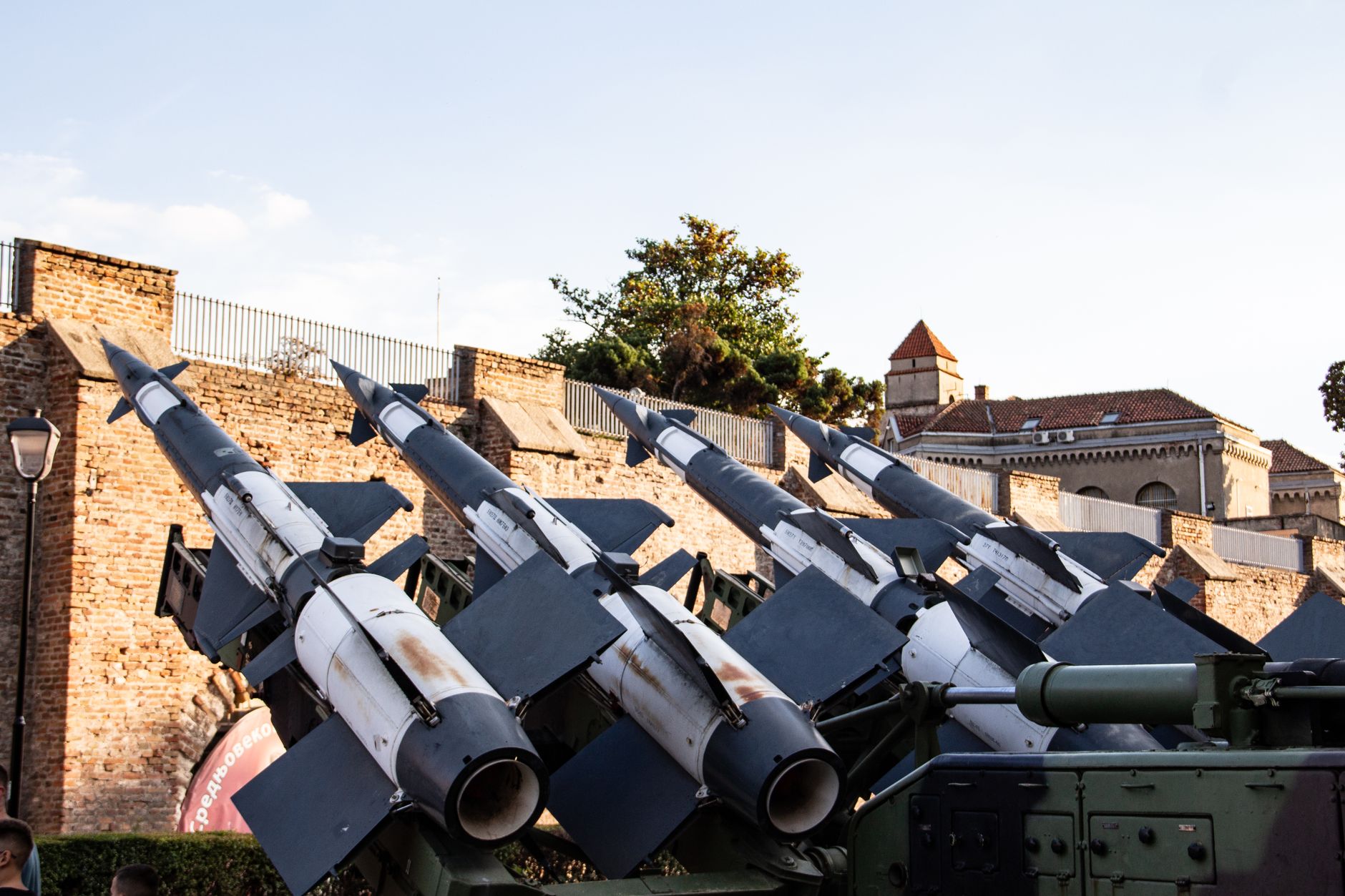
Are Barak missile defence systems Worth the Investment?
Barak missile defence systems are set for an upgrade following India’s recent $220 million deal with Israel, enhancing naval security capabilities.
Overview of the $220 Million Deal
India has recently formalized a significant agreement, committing $220 million to upgrade its naval Barak missile defence systems in collaboration with Israel. This deal reflects a strategic partnership aimed at enhancing maritime security amidst evolving regional threats.
The upgrade is expected to bolster the capabilities of the Indian Navy, which is increasingly focused on modernizing its fleet and improving defense mechanisms against aerial threats. The Barak missile defence systems are known for their effectiveness in intercepting incoming missiles, thereby providing vital protection to naval assets.
Key components of the deal include:
- Enhanced radar systems for improved target acquisition.
- Upgraded missile capabilities to counter advanced threats.
- Training programs for personnel to ensure optimal utilization of the upgraded systems.
This investment underscores India’s commitment to securing its maritime borders and responding to the dynamic challenges posed by regional adversaries. As the landscape of naval warfare continues to evolve, such enhancements could prove pivotal for the Indian Navy’s operational readiness and effectiveness.
Importance of Upgrading Naval Defence
The significance of upgrading naval defence systems, particularly the Barak missile defence systems, cannot be overstated in today’s geopolitical climate. With increasing threats from various regional adversaries, maintaining a robust and modern naval capability is essential for national security.
Investing in advanced missile defence technology enhances not only the operational effectiveness of naval forces but also provides a strategic deterrent. The Barak missile systems are designed to offer comprehensive protection against aerial threats, including aircraft, drones, and anti-ship missiles. This capability is crucial for safeguarding critical maritime assets and ensuring the safety of territorial waters.
Furthermore, the investment in the Barak missile defence systems is part of a broader strategy to modernize the Indian Navy, adapting to evolving threats while maintaining a technological edge. Some key benefits of upgrading include:
- Improved Response Times: Enhanced systems allow for quicker detection and interception of threats.
- Increased Range: Upgraded capabilities extend the operational range, providing broader coverage.
- Interoperability: Modern systems can integrate with existing naval assets, ensuring seamless operations.
In conclusion, the investment in Barak missile defence systems is a vital step towards strengthening maritime security and readiness.
What are Barak Missile Defence Systems?
The Barak missile defence systems are advanced air defence solutions designed to provide protection against a variety of aerial threats, including missiles, drones, and aircraft. Developed by Israel Aerospace Industries, these systems are particularly valued for their rapid response capabilities and high accuracy in interception.
There are several key features that define the Barak missile systems:
- Multi-Layered Defence: The systems are designed to work in conjunction with various layers of defence, ensuring comprehensive coverage for naval assets.
- Versatile Deployment: Barak systems can be deployed on various platforms, including ships, land bases, and potentially in joint operations with allied forces.
- Advanced Technology: The integration of cutting-edge radar and guidance systems enhances targeting accuracy and operational effectiveness.
- Real-Time Data Processing: Barak systems utilize sophisticated algorithms for quick decision-making and threat assessment.
With the recent $220 million deal to upgrade these systems, India aims to enhance its naval defence capabilities significantly. The investment in Barak missile defence systems reflects a strategic move to bolster national security and adapt to evolving threats in the maritime domain.
Israel’s Role in Defence Technology
Israel has long been recognized as a global leader in defence technology, particularly in the development of advanced missile defence systems. The Barak missile defence systems, known for their effectiveness in countering aerial threats, have become a crucial element in Israel’s military arsenal. This innovative technology has not only bolstered Israel’s own security but has also gained international recognition, leading to partnerships with countries like India.
The collaboration between Israel and India highlights the growing demand for sophisticated defence systems in an increasingly volatile geopolitical landscape. Israel’s expertise in the field enables it to design and manufacture systems that provide robust protection against a variety of threats, including missiles and drones. The Barak missile defence systems exemplify this technological prowess, offering state-of-the-art solutions tailored to meet modern warfare requirements.
Furthermore, Israel’s commitment to research and development in defence technology ensures that the Barak systems remain at the forefront of missile defence capabilities. By investing in such advancements, nations can enhance their security measures, making the Barak missile defence systems a valuable addition to any military strategy.
Future of Indo-Israeli Defence Relations
The future of Indo-Israeli defence relations appears promising, especially with the recent $220 million deal aimed at upgrading India’s Barak missile defence systems. This partnership not only highlights the mutual strategic interests of both nations but also underscores the growing military collaboration in the region.
As geopolitical tensions rise, particularly in the Indo-Pacific and Middle Eastern regions, India is increasingly turning to Israel for advanced military technology. The Barak missile defence systems, known for their agility and effectiveness, represent a significant leap in India’s defence capabilities. The investment in these systems is expected to enhance India’s naval security and deter potential threats.
Furthermore, this collaboration offers opportunities for joint research and development, paving the way for future innovations in defence technology. Both countries can benefit from sharing expertise and resources, strengthening the bilateral ties that have already formed over decades of cooperation.
- Enhanced Security: The upgraded Barak systems will provide a robust shield against aerial attacks.
- Joint Development: Future projects may focus on co-developing next-generation defence solutions.
- Strategic Partnership: The deal solidifies India’s position as a key player in regional security dynamics.
Implications for Regional Security
The recent $220 million deal between India and Israel to upgrade the Barak missile defence systems has significant implications for regional security. As tensions in the area persist, the enhancement of naval capabilities is crucial for maintaining a strategic advantage.
Investing in advanced defence technologies like the Barak systems is not merely about military strength; it also serves as a deterrent against potential aggressors. By bolstering its naval forces, India aims to secure vital maritime routes, ensuring not just national security but also the safety of international trade.
Furthermore, this collaboration reflects a strengthening of ties between India and Israel, positioning both nations as key players in regional stability. The transfer of technology and expertise can foster greater self-reliance in defence manufacturing, enhancing India’s overall security posture.
However, the implications extend beyond India and Israel. This deal may provoke responses from neighboring countries, leading to an arms race in the region. As nations reassess their defence strategies, the balance of power could shift, highlighting the need for diplomatic efforts alongside military enhancements.
Ultimately, the investment in Barak missile defence systems is a calculated move towards reinforcing regional security, but it requires careful management to avoid escalating tensions.
Photo by Boris Hamer on Pexels
