

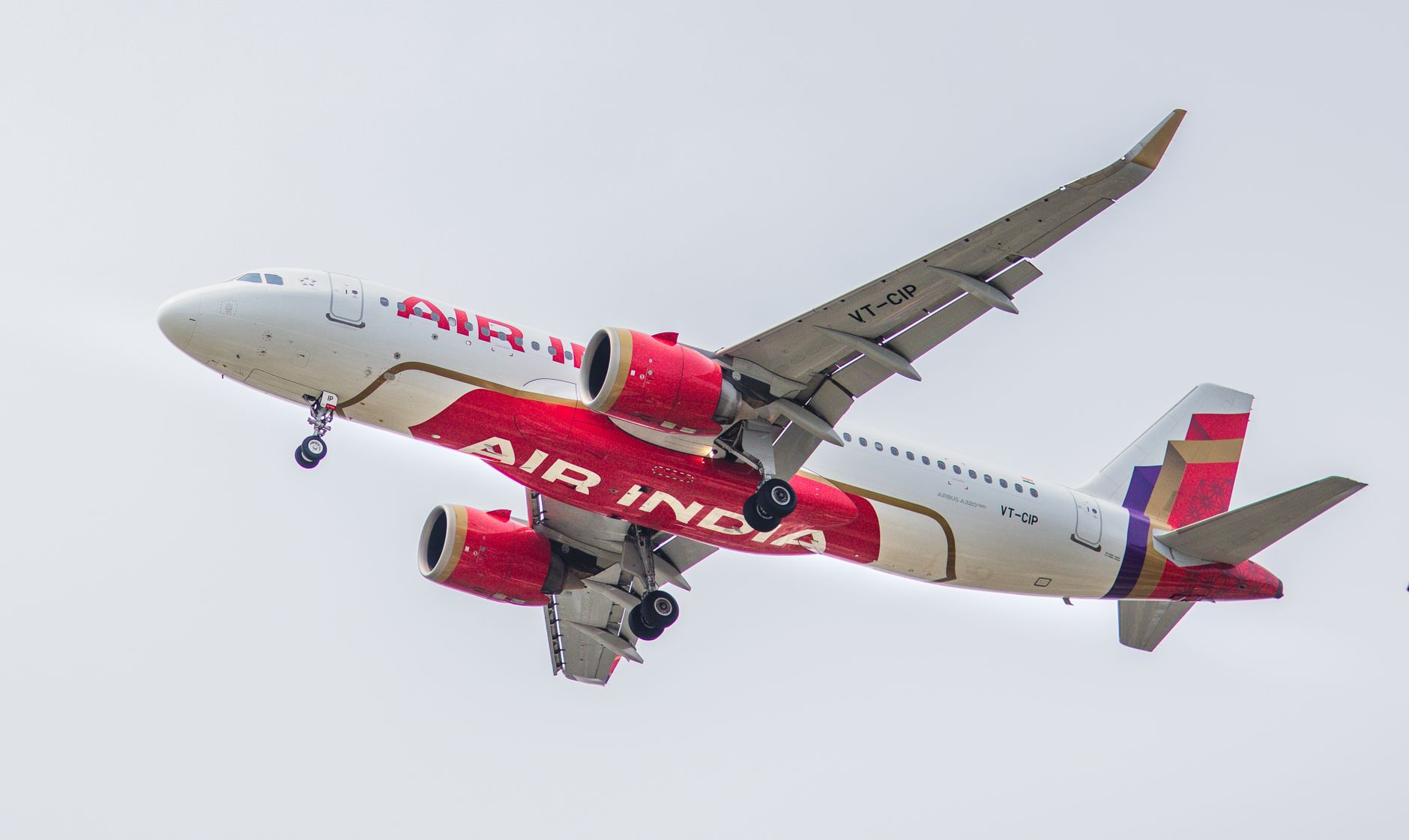
Air India flight diversion: The Worst Hijacking Alert Explained
Air India flight diversion occurred when a Frankfurt-Delhi flight was diverted to Jaipur due to a hijacking alert. This incident has raised significant concerns among passengers and authorities alike.
What Happened During the Air India Flight Diversion?
On a recent journey from Frankfurt to Delhi, an Air India flight experienced a significant diversion, landing in Jaipur due to a hijacking alert. The incident unfolded mid-flight, prompting immediate action from the crew and air traffic control.
As passengers settled in for their long-haul trip, a suspicious situation began to develop. Crew members received an anonymous tip that raised concerns about the safety of the aircraft. In response to the alert, the flight crew followed established protocols to ensure the safety of everyone on board.
Upon receiving the distress signal, authorities swiftly coordinated with the flight, leading to the decision to divert to Jaipur. This proactive measure aimed to address the situation with the utmost care and urgency.
Once the plane landed, security forces were on standby to assess the situation. Passengers were safely evacuated, and a thorough investigation was launched to determine the authenticity of the hijacking alert. The incident has raised questions about aviation security and the protocols in place for handling such emergencies.
Authorities are now working to gather more information while ensuring the safety of air travel remains a top priority.
Details of the Hijacking Alert
On a recent Air India flight from Frankfurt to Delhi, passengers experienced a shocking turn of events as the aircraft was diverted to Jaipur following a hijacking alert. The situation unfolded when the flight crew received an anonymous tip regarding a potential hijacking threat, prompting immediate action to ensure the safety of everyone on board.
As the flight approached Indian airspace, authorities were alerted, and air traffic control instructed the pilots to reroute to Jaipur. This decision was made to enable a thorough investigation and ensure a secure landing for the aircraft. Passengers were understandably anxious, with many expressing confusion and fear over the hijacking alert.
Upon landing, law enforcement officials and airport security teams were deployed to conduct a meticulous search of the aircraft and its passengers. Authorities emphasized that passenger safety is their top priority, and they urged travelers to remain calm during such emergencies. Reports indicated that the situation was handled efficiently, with no immediate threat found on board.
The incident has raised questions about security protocols in aviation, and investigators are currently looking into the source of the hijacking alert to prevent future occurrences. This Air India flight diversion is a stark reminder of the complexities faced in air travel today.
Passenger Reactions to the Incident
Passengers aboard the Air India flight that experienced a diversion due to a hijacking alert expressed a mixture of confusion and fear following the incident. Many described the atmosphere on the plane as tense, with some feeling anxious about the uncertainty of the situation. Ravi Sharma, a business traveler, recounted how the crew calmly informed passengers of the diversion, stating, “At first, we thought it was just a precautionary measure, but as time went on, we realized the gravity of the alert.”
Another passenger, Anita Desai, shared her experience saying, “I was terrified when I heard the word ‘hijacking.’ It felt surreal, like something out of a movie.” Some passengers attempted to reassure each other, while others turned to their phones to seek updates or contact loved ones.
The sudden diversion to Jaipur left many wondering about the safety protocols in place. A group of passengers, who were traveling for a wedding, expressed their disappointment but emphasized their gratitude for the crew’s handling of the situation. “We understand that safety comes first,” said Mohammed Khan. The Air India flight diversion has sparked a broader conversation about airline safety and the protocols following such alarming alerts.
Authorities’ Response to the Diversion
In response to the alarming Air India flight diversion, authorities acted swiftly to ensure the safety of all passengers and crew members on board. The interception of the flight, originally bound for Delhi from Frankfurt, prompted a coordinated effort involving multiple agencies.
Upon receiving the hijacking alert, the Indian authorities immediately initiated emergency protocols. The flight was diverted to Jaipur, where security personnel were on high alert, ready to manage the situation.
Key actions taken by authorities included:
- Immediate deployment of security teams to the airport in Jaipur.
- Establishing a secure perimeter around the aircraft upon landing.
- Conducting thorough screenings of passengers and baggage.
- Engaging with the flight crew to gather detailed information about the incident.
Investigators began probing the source of the hijacking alert, assessing whether it was a legitimate threat or a false alarm. Officials emphasized the importance of prioritizing safety while also ensuring that passengers were kept informed throughout the process. As the investigation unfolds, the focus remains on understanding the circumstances that led to the Air India flight diversion.
Implications for Aviation Security
The recent Air India flight diversion has raised significant concerns regarding aviation security protocols. Following the hijacking alert, authorities are now scrutinizing existing measures to ensure passenger safety during flights. The incident has highlighted potential vulnerabilities in the current systems designed to prevent such emergencies.
Experts suggest that the implications of this event could lead to a reassessment of security procedures, particularly in the context of international flights. The Air India flight diversion may prompt airlines to enhance training for crew members and improve communication protocols with ground control during crisis situations.
In addition to procedural changes, there is a growing demand for more advanced technology in detecting and responding to threats. This includes investing in better surveillance systems and adopting innovative solutions that can swiftly address potential hijacking scenarios.
Moreover, this incident may lead to an international discourse on aviation security standards, as countries collaborate to create a more unified approach to handling similar threats. As air travel continues to grow, the need for robust and adaptive security measures has never been more critical.
Ultimately, ensuring passenger safety remains a top priority for airlines and regulators alike, and the repercussions of the Air India flight diversion will likely resonate throughout the industry for years to come.
The recent Air India flight diversion has raised numerous questions about security protocols in place during such emergencies. Experts are analyzing the implications of the Air India flight diversion on future airline operations and passenger safety.
Photo by Ethan Sarkar on Pexels
References
You might also like
Trump Greece ambassador resignation: What went wrong? · Is Kimberly Guilfoyle’s Resignation the Worst Move for Trump? · India-Canada relations: The Best Momentum for Growth
