

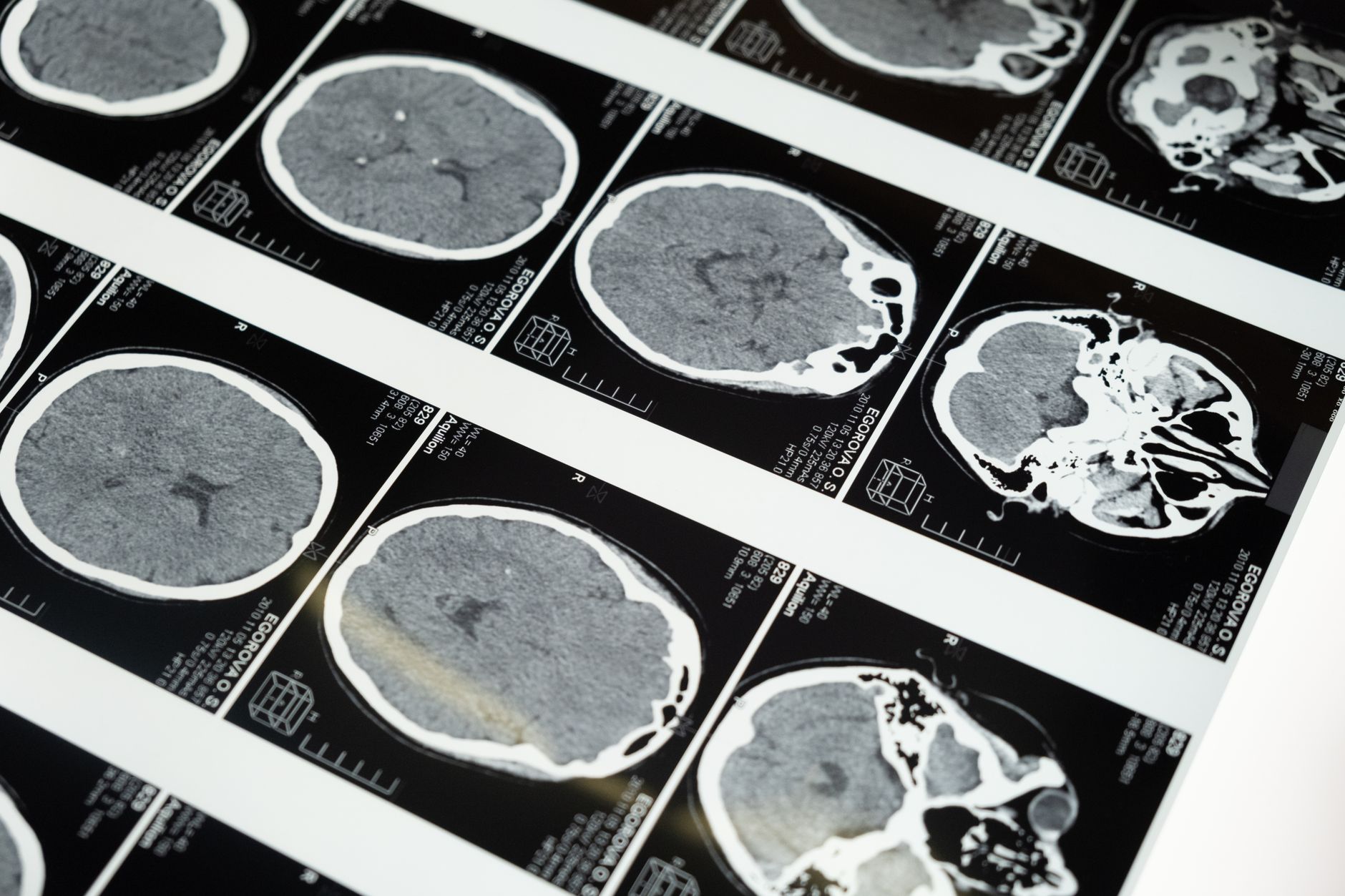
Brain Perfusion Findings: Clear Insights on Cognitive Symptoms
Brain perfusion findings in a patient with cognitive symptoms reveal significant insights into the effects of mercury exposure. This case report sheds light on critical connections.
Understanding Brain Perfusion Findings
Brain perfusion findings play a crucial role in understanding cognitive symptoms, particularly in patients with a complex medical history. Recent studies have highlighted the significance of assessing cerebral blood flow to identify underlying issues affecting mental function. In a notable case report, a patient with a history of mercury exposure exhibited distinct brain perfusion patterns that correlated with their cognitive decline.
Key observations from the case include:
- Decreased perfusion: Regions associated with memory and attention showed reduced blood flow.
- Variability in perfusion: Fluctuations in blood supply were noted, suggesting possible neurovascular dysregulation.
- Response to therapy: Improvement in brain perfusion findings was observed after targeted interventions.
These insights underline the importance of thorough evaluations in patients displaying cognitive symptoms, as brain perfusion findings can guide effective treatment strategies and improve patient outcomes.
The Impact of Mercury Exposure
Recent studies have highlighted the significant impact of mercury exposure on brain health, particularly in relation to brain perfusion findings. Individuals with a history of mercury exposure may experience cognitive symptoms that are often overlooked. This correlation is crucial for understanding how toxic substances affect brain function.
In a recent case report, a patient with cognitive symptoms and a documented history of mercury exposure underwent a series of imaging tests. The results revealed notable alterations in brain perfusion, indicating reduced blood flow to key areas associated with cognitive processes. The findings suggest that mercury toxicity may contribute to cognitive decline by impairing cerebral blood flow.
This case emphasizes the importance of monitoring brain perfusion findings in patients with similar exposure histories. As the medical community continues to explore the links between environmental toxins and cognitive health, early detection and intervention could play a vital role in mitigating the effects of mercury exposure.
Cognitive Symptoms Explained
Cognitive symptoms are often subtle yet impactful, manifesting in various ways that can significantly affect daily life. These symptoms may include:
- Memory loss: Difficulty recalling recent events or learning new information.
- Attention deficits: Struggling to focus on tasks or conversations.
- Language issues: Finding it hard to express thoughts clearly or understand spoken language.
- Executive dysfunction: Challenges in planning, organizing, or problem-solving.
In the context of brain perfusion findings, these cognitive symptoms can be linked to how blood flow is managed in the brain. Changes in perfusion patterns may indicate underlying issues that exacerbate cognitive decline, particularly in individuals with a history of mercury exposure. As observed in a recent case report, understanding these brain perfusion findings is crucial for tailoring interventions and improving patient outcomes. Addressing both cognitive symptoms and their physiological underpinnings can lead to more effective management strategies.
Case Report Overview
This case report highlights the longitudinal brain perfusion findings in a patient exhibiting cognitive symptoms, alongside a notable history of mercury exposure. The patient, a 52-year-old male, presented with memory impairment and difficulties in attention, prompting a comprehensive evaluation of his brain function.
Initial imaging studies revealed reduced perfusion in specific regions, indicating potential areas of dysfunction correlated with his cognitive decline. Follow-up assessments over six months demonstrated a progressive deterioration in blood flow, further substantiating the link between the patient’s mercury exposure and his cognitive symptoms.
Key findings included:
- Decreased perfusion: Notable reductions in the frontal and temporal lobes.
- Progressive changes: Worsening perfusion patterns observed in subsequent scans.
- Cognitive assessments: Continuous decline in memory and attention capabilities.
These brain perfusion findings underscore the importance of monitoring cognitive health in individuals with similar exposure histories.
Photo by cottonbro studio on Pexels
Where this came from
You might also like
Oil Prices News: Worst Supply Concerns Impacting Markets · Exercise Prescriptions: The Smart Way to Boost Brain Health · Ramayana Box Office Collection: Proven Success Beyond Rs 760 Crore
