

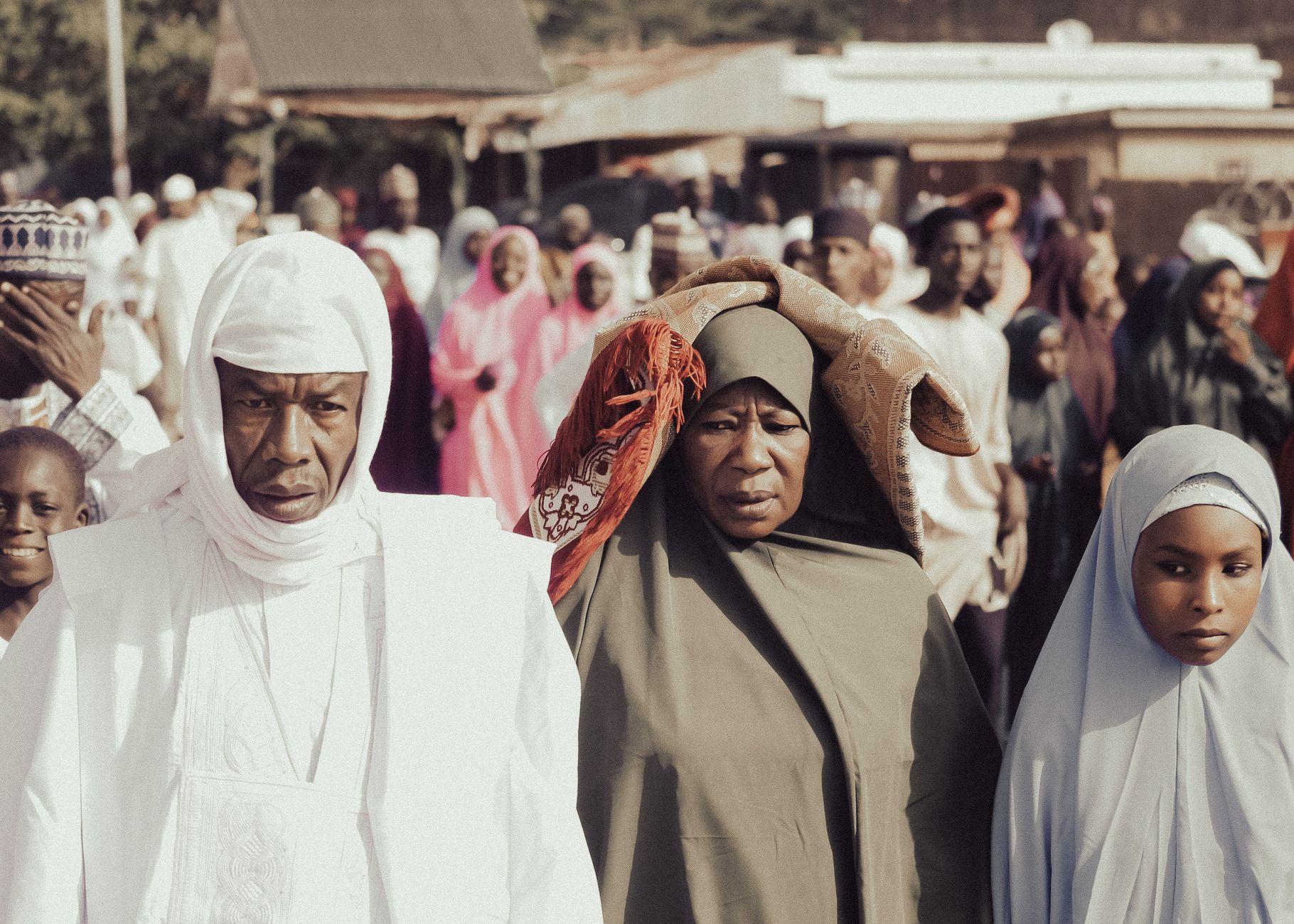
Social groups among religions: What’s the real breakdown?
Social groups among religions play a crucial role in shaping India’s societal fabric. This article breaks down the intricate relationships and shares of various religious communities.
Understanding Social Groups in India
India is a tapestry of diverse cultures and religions, each comprising various social groups that contribute to the nation’s rich heritage. Understanding social groups among religions is crucial for grasping the complexities of social dynamics in the country.
One of the largest religious communities in India is Hinduism, which encompasses a multitude of social groups. These include the caste system, where individuals are classified into different categories such as Brahmins, Kshatriyas, Vaishyas, and Shudras. Each caste has its own social standing, customs, and traditions, influencing the interactions and relationships among Hindus.
In contrast, Islam in India also features a variety of social groups, including Sunni and Shia sects, each with its own beliefs and practices. Additionally, there are regional divisions that further diversify the Muslim community, such as the Bohra and Khoja groups.
Other religions, such as Christianity and Sikhism, also display a range of social groups. For instance, Christianity in India is divided into various denominations, including Catholic, Protestant, and Orthodox communities. Sikhism, on the other hand, is characterized by distinct social groups based on lineage and cultural practices.
This intricate web of social groups among religions in India highlights the need for a deeper understanding of how these affiliations shape individual identities and foster interactions among communities.
Religious Diversity in India
India is renowned for its rich tapestry of religious diversity, which also manifests in the formation of various social groups among religions. This diversity is not just a matter of belief systems but also influences social interactions, community structures, and even economic opportunities.
India’s population is home to a multitude of faiths, including:
- Hinduism: The largest religion, accounting for approximately 79.8% of the population.
- Islam: The second-largest religion, comprising about 14.2% of the total population.
- Christianity: Representing roughly 2.3%, Christians are spread across various denominations.
- Sikhism: With around 1.7%, Sikhs primarily reside in the northern states.
- Buddhism: Though a minority, Buddhists play a significant role in cultural heritage.
- Jainism: Jains contribute to the economic landscape despite being a small community.
These religions often intersect with caste, class, and regional identities, leading to a complex network of social groups among religions. Understanding these dynamics is essential for grasping how different communities interact, cooperate, or sometimes experience conflict. The intricate relationships among these social groups shape not only individual lives but also the broader societal framework in India.
The Role of Caste in Religion
The role of caste in religion is a significant factor in understanding social groups among religions in India. Caste systems have historically influenced social dynamics, defining interactions, opportunities, and access to resources within various religious communities.
In many Hindu communities, caste dictates one’s social status and occupation. The four main categories, known as varnas, include:
- Brahmins – priests and educators
- Kshatriyas – warriors and rulers
- Vaishyas – traders and agriculturists
- Shudras – laborers and service providers
While the caste system is most commonly associated with Hinduism, it also intersects with social groups among religions such as Sikhism and Buddhism, where caste distinctions can still impact social relations. Additionally, in Muslim communities, social stratification is often influenced by regional and sectarian affiliations.
This complexity highlights the need for a nuanced understanding of how caste influences interpersonal relationships within and across different faiths. Many activists and scholars argue for the dismantling of caste-based discrimination, aiming to foster greater equality among various religious groups.
As India continues to evolve, the interplay between caste and religion remains a critical area of study, impacting social cohesion and identity formation across the nation.
Social Dynamics Among Communities
Social dynamics among communities in India reveal a complex interplay of tradition, belief, and social structure, particularly when examining social groups among religions. These dynamics are influenced by historical contexts, regional variations, and the evolving nature of identity within diverse communities.
In India, religious affiliations often intertwine with caste and social class, leading to a multifaceted representation of social groups. For instance, the Hindu population includes various castes and sub-castes, which can significantly affect social standing and community interactions. Similarly, Muslim communities may categorize themselves along lines of sect, ethnicity, and class, while Christian groups often reflect a range of denominations influenced by regional practices.
Understanding these social groups among religions is crucial for appreciating the richness of Indian society. The following points illustrate key aspects of these dynamics:
- The interaction between caste and religious identity often determines social mobility and access to resources.
- Religious festivals serve as platforms for community bonding, transcending individual religious identities.
- Inter-religious marriages, while still controversial, are slowly changing the landscape of social acceptance.
Overall, the social groups among religions in India represent a tapestry of relationships, constantly evolving but firmly rooted in the historical context that shapes them.
Analyzing Recent Trends in Religion
Recent studies have revealed significant shifts in the composition of social groups among religions in India. This evolution reflects broader societal changes and highlights the intricate relationships between various religious communities.
One notable trend is the increasing interaction between different religious groups, leading to a blending of cultural practices and a shared sense of identity. This phenomenon has been particularly evident in urban areas, where diverse populations coexist and collaborate on various social issues. The growing acceptance of interfaith dialogues has also played a crucial role in fostering understanding and cooperation among these groups.
Another important aspect is the impact of socio-economic factors on religious affiliations. As individuals from various backgrounds pursue education and employment opportunities, their religious identities may evolve, leading to the formation of new social groups. This change can sometimes result in tensions as traditional boundaries are challenged.
Furthermore, the rise of social media has enabled religious groups to connect and share their narratives more broadly, allowing for greater visibility of minority voices. This digital presence has also facilitated the mobilization of these groups for social justice and communal harmony.
Overall, analyzing recent trends in religion reveals a complex landscape of social groups among religions, characterized by both collaboration and conflict, as communities navigate their identities in an ever-changing society.
Photo by LekePOV on Pexels
