

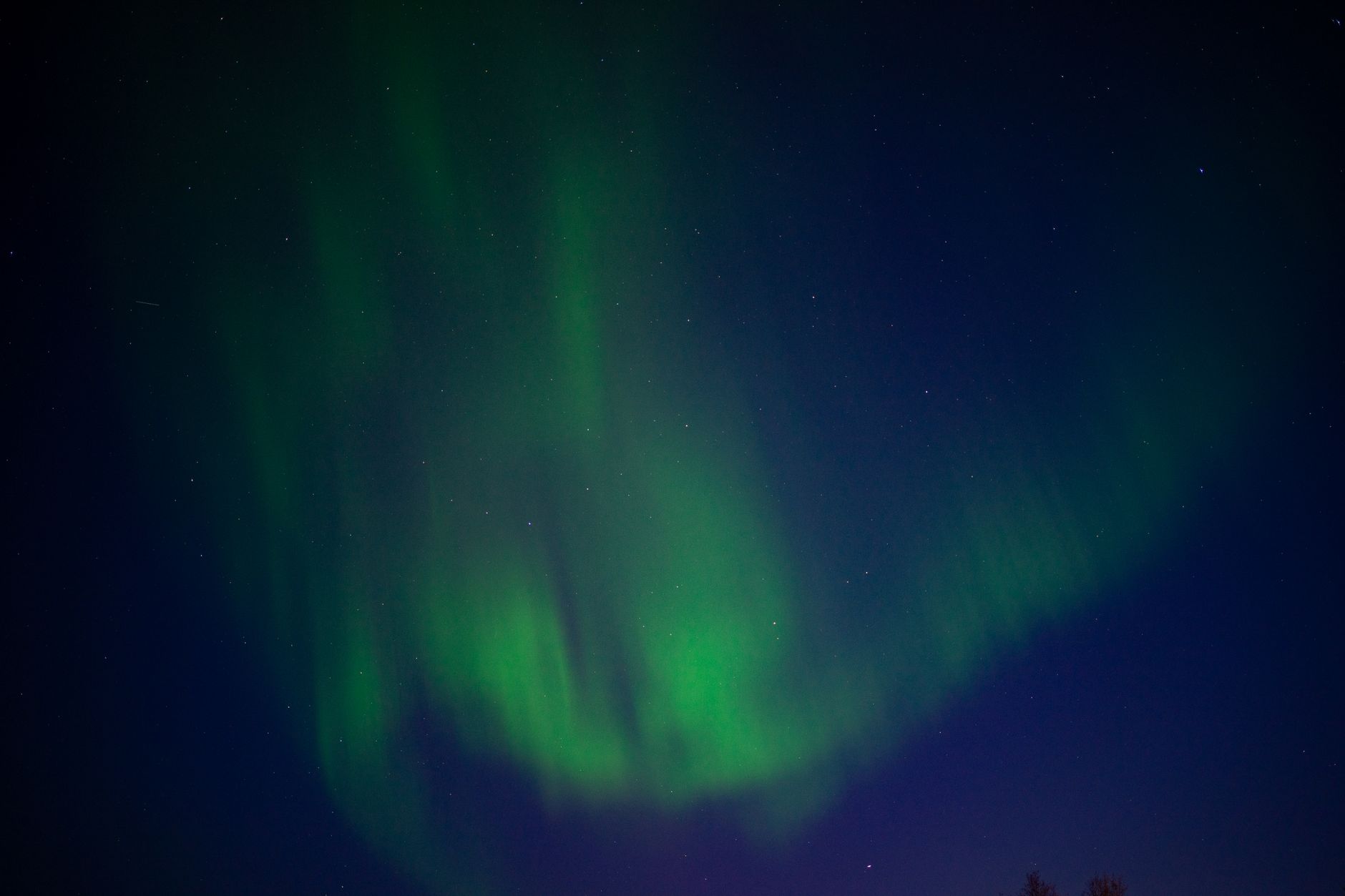
Northern Lights Return: Epic Displays Across 28 States
Northern Lights return this Sunday, promising an awe-inspiring spectacle for skywatchers in 28 states. After recent epic displays, many are eager to catch a glimpse of this natural wonder.
What to Expect from the Northern Lights
The Northern Lights return with a spectacular show expected across 28 states, inviting both enthusiasts and casual observers to witness this natural wonder. As solar activity continues to peak, conditions are ripe for vibrant displays of auroras.
Here’s what you can expect from the upcoming events:
- Color Variations: The auroras will likely exhibit a range of colors, primarily greens, pinks, and purples. These hues result from solar particles interacting with the Earth’s atmosphere.
- Best Viewing Times: The optimal time for viewing the Northern Lights is typically between 10 PM and 2 AM. However, remain vigilant throughout the night, as displays can occur at any time.
- Viewing Locations: To maximize your chances of seeing the lights, head to areas with minimal light pollution, such as national parks or rural locations. Open fields away from city lights provide the best vantage points.
- Weather Conditions: Clear skies are essential for visibility. Check local weather forecasts to find locations with the least cloud cover.
- Photography Tips: If you plan to capture the moment, bring a tripod and use a long exposure setting to capture the vivid colors and movement of the auroras.
Don’t miss the chance to experience the Northern Lights return, as this natural phenomenon is truly a sight to behold.
Best States to View the Northern Lights
The recent resurgence of the Northern Lights has captivated skywatchers across the United States. With the Northern Lights return, many are eager to find the best locations to witness this spectacular natural phenomenon. Here are some of the top states where you might catch a glimpse of the dazzling displays:
- Alaska: Renowned for its clear skies and minimal light pollution, Alaska is the ultimate destination for Northern Lights enthusiasts. Popular spots include Fairbanks and Anchorage.
- Montana: With its vast open spaces and stunning landscapes, Montana offers excellent viewing opportunities, particularly in Glacier National Park.
- Maine: Northern Maine is known for its dark skies, making it an ideal location to experience the aurora borealis, especially near Baxter State Park.
- North Dakota: This state frequently experiences aurora activity, and places like Theodore Roosevelt National Park provide a perfect backdrop for viewing.
- Michigan: The Upper Peninsula of Michigan is a popular spot due to its remote location and beautiful scenery, particularly around the Keweenaw Peninsula.
- Washington: While not as commonly associated with the aurora, the northern regions of Washington can also provide stunning views under the right conditions.
As the Northern Lights return, enthusiasts in these states will have a chance to witness nature’s mesmerizing light show.
Tips for Watching the Northern Lights
As the Northern Lights return to the skies, enthusiasts and casual observers alike are eager to catch a glimpse of this breathtaking phenomenon. Here are some tips to enhance your viewing experience:
- Choose the Right Location: Find a spot away from city lights. Dark, open areas with a clear view of the northern horizon are ideal for optimal visibility.
- Check the Weather: Cloud cover can obstruct your view. Clear skies are essential, so monitor local weather forecasts before heading out.
- Timing is Key: The best time to see the Northern Lights is between 10 PM and 2 AM. Plan your viewing sessions during these hours for a higher chance of seeing the display.
- Dress Warmly: Depending on your location, temperatures can drop significantly at night. Wear layers, bring blankets, and don’t forget hot drinks to stay warm while you wait.
- Bring a Camera: Capture the moment! Use a camera with manual settings, a tripod, and don’t forget to experiment with long exposure shots to truly capture the beauty of the lights.
- Stay Informed: Follow local aurora forecasts and use apps that alert you when activity is expected. This will help you plan your outings effectively.
With these tips, you’re well on your way to experiencing the magic of the Northern Lights.
Understanding the Science Behind the Aurora
The Northern Lights, also known as the Aurora Borealis, are a breathtaking natural phenomenon that captivates observers across the globe. Understanding the science behind the aurora can enhance the experience of watching these stunning displays. The primary cause of the Northern Lights is the interaction between charged particles from the sun and Earth’s magnetic field.
As solar wind carries these particles towards our planet, they collide with gases in the atmosphere, such as oxygen and nitrogen. This collision results in the release of energy in the form of light, creating the vibrant colors we associate with the Northern Lights. The hues of green, pink, red, and violet are produced by different types of gas at varying altitudes:
- Green: This is the most common color and occurs when particles collide with oxygen at lower altitudes, around 60 miles above the Earth.
- Red: A rarer color, red occurs at higher altitudes, typically above 200 miles, also due to oxygen.
- Purple and Blue: These colors result from nitrogen interactions and are often seen at lower altitudes.
Solar activity follows an approximately 11-year cycle, leading to periods of heightened auroral activity. Recently, forecasts suggest that the Northern Lights could return with exceptional displays, making now an ideal time for enthusiasts to witness this celestial spectacle across 28 states.
The stunning phenomenon has captured the attention of skywatchers as the Northern Lights return, painting the night sky with vibrant colors. As excitement builds, many are eager to witness the breathtaking displays where the Northern Lights return in full force across various states.
Photo by Oliver Schröder on Pexels
Where this came from
Related stories
Postoperative serum calcium: Worst complications after surgery · Nintendo Ocarina of Time preorder: Is it Worth the Savings? · Mars samples return: The Proven Path to 2031 Success
