

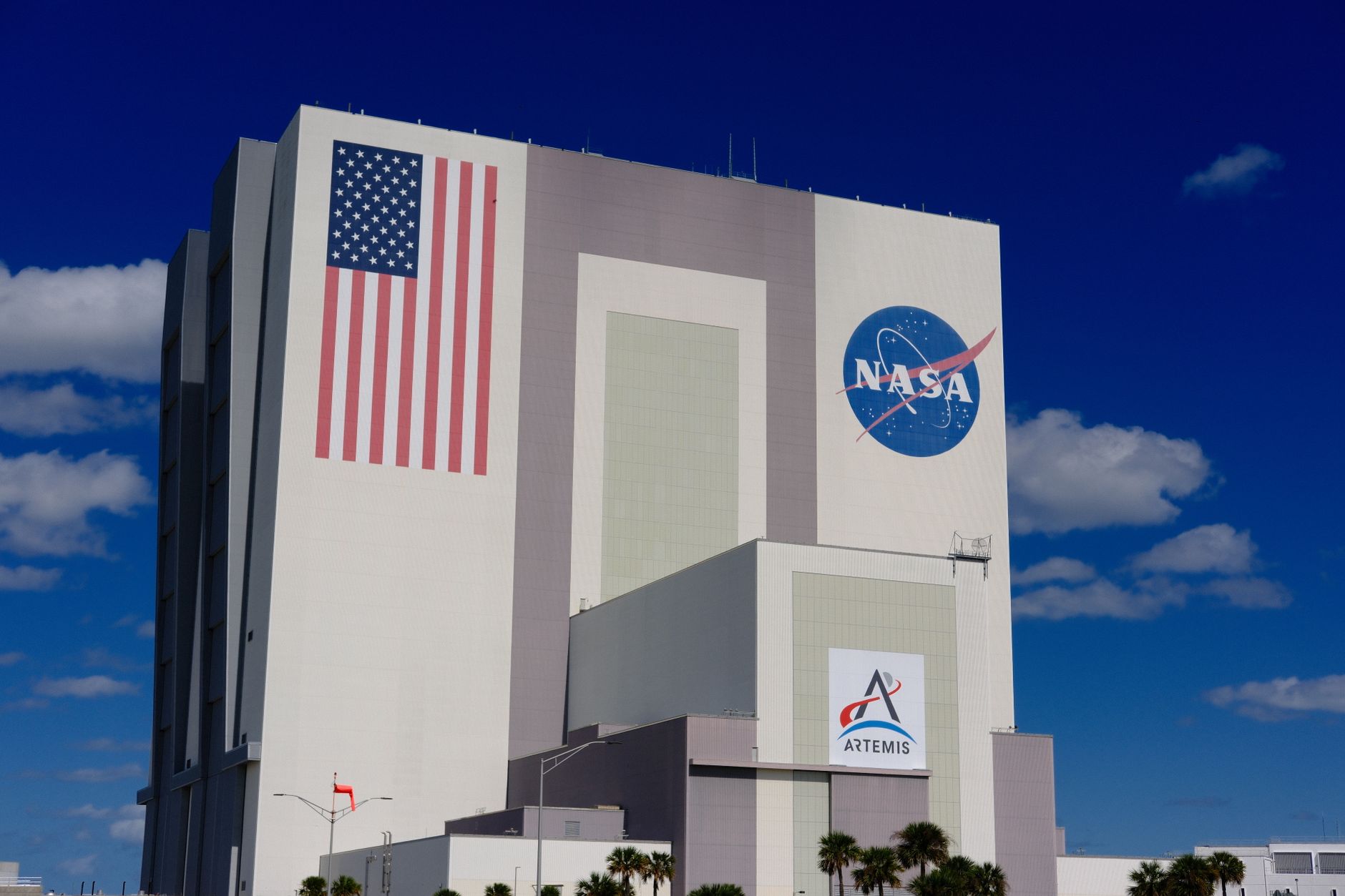
Artemis II data: Free Access to Proven NASA Insights
Artemis II data is now available for public access, providing insights into NASA’s latest mission. This nearly 1 TB of information opens up new opportunities for researchers and enthusiasts alike.
What is Artemis II?
Artemis II is a crucial mission in NASA’s Artemis program, which aims to return humans to the Moon and establish a sustainable presence there. This mission will serve as the first crewed flight test of the Space Launch System (SLS) and the Orion spacecraft, building on the successes of the uncrewed Artemis I mission.
The Artemis II mission is expected to orbit the Moon and provide invaluable data regarding various aspects of deep space travel, including life support systems, crew dynamics, and spacecraft performance. This mission marks a significant step toward preparing for future lunar landings and eventual missions to Mars.
Recently, NASA made nearly 1 TB of Artemis II data available to the public, allowing researchers, students, and enthusiasts to explore the insights gleaned from this groundbreaking mission. This initiative aligns with NASA’s commitment to transparency and collaboration in space exploration.
By providing free access to Artemis II data, NASA invites the global community to engage with its findings, fostering innovation and education in the field of aerospace. The availability of this data not only enhances scientific understanding but also encourages collaborative projects that can lead to new discoveries in space technology and exploration.
- Mission Goals: Test human spaceflight systems
- Significance: Paving the way for lunar exploration
- Data Access: Open for public research and analysis
Importance of Public Data
The release of Artemis II data marks a significant milestone in the realm of space exploration and public engagement. By making nearly 1 TB of data available, NASA is fostering transparency and encouraging collaboration among scientists, educators, and enthusiasts alike. This initiative highlights the importance of open data in advancing research and innovation.
Access to Artemis II data allows researchers to:
- Enhance Research Opportunities: Scientists can utilize the rich dataset to conduct studies, validate models, and explore new hypotheses related to lunar missions.
- Educate Future Generations: Educators can incorporate real NASA data into their curricula, inspiring students to pursue careers in science, technology, engineering, and mathematics (STEM).
- Encourage Public Engagement: Enthusiasts and amateur astronomers can analyze the data, fostering a community of individuals passionate about space exploration.
Moreover, the ability to share findings and insights derived from Artemis II data can lead to unexpected discoveries and advancements in technology. As the space community continues to grow, the collaborative nature of open data initiatives strengthens the bond between NASA and the public. Through this transparency, NASA not only showcases its commitment to scientific advancement but also empowers citizens to be part of the journey to the Moon and beyond.
How to Access Artemis II Data
Accessing the Artemis II data is straightforward, allowing enthusiasts, researchers, and the public at large to explore vital insights from NASA’s latest mission. The agency has made nearly 1 terabyte of data publicly available, providing an unprecedented opportunity to engage with the information collected during the mission.
To access the Artemis II data, follow these steps:
- Visit the NASA website: Navigate to the official NASA page dedicated to Artemis II, where they have centralized the information.
- Create an account: While some data may be accessible without an account, signing up can enhance your experience by providing personalized tools and resources.
- Explore the data catalog: Once logged in, browse through the comprehensive data catalog that organizes files into specific categories such as imaging, telemetry, and scientific measurements.
- Download files: Choose the datasets that interest you. Files are available in various formats to accommodate different analytical tools and software.
- Engage with the community: Join forums and discussion groups to share insights and collaborate with others who are analyzing the Artemis II data.
These steps empower users to dive into the wealth of information provided by NASA, enhancing understanding and encouraging innovative applications of the data.
Potential Uses for Researchers
The release of Artemis II data opens up a wealth of opportunities for researchers across various fields. With nearly 1 TB of data now accessible to the public, scientists can harness this information to enhance their understanding of deep space exploration.
Potential applications for this data include:
- Astronomy Research: Researchers can analyze the data to study celestial bodies and phenomena, providing insights into the universe’s formation and evolution.
- Engineering & Technology Development: Engineers can utilize the data to improve spacecraft design and technology, leading to advancements in future missions.
- Environmental Studies: The data may also be relevant in studying Earth’s atmosphere and climate from a unique vantage point, fostering a better understanding of planetary health.
- Educational Resources: Educators can incorporate the Artemis II data into their curricula, inspiring the next generation of scientists and engineers.
- Collaboration Opportunities: The open-access nature of this data encourages collaboration between universities, research institutions, and private organizations, driving innovation in space exploration.
By leveraging Artemis II data, researchers can contribute to a more profound understanding of space, enhance technological capabilities, and inspire future explorations, making the most of NASA’s commitment to open science.
Future of NASA Missions
The future of NASA missions looks promising as the agency continues to emphasize transparency and public engagement. With the recent release of nearly 1 TB of Artemis II data, researchers and enthusiasts alike are eager to explore the implications this wealth of information may hold for upcoming space exploration efforts.
NASA is paving the way for more collaborative scientific endeavors, enabling researchers worldwide to utilize the Artemis II data for a variety of applications. This initiative not only enhances the breadth of knowledge but also inspires innovation in aerospace technology and research methodologies.
As NASA prepares for subsequent missions, the insights gleaned from Artemis II will be invaluable. Some anticipated advancements include:
- Enhanced Technology Development: The findings from the Artemis II mission can inform the design and functionality of future spacecraft.
- Improved Safety Protocols: Data analysis may lead to better safety measures for astronauts during long-duration missions.
- Increased International Collaboration: Sharing Artemis II data encourages partnerships with global space agencies and research institutions.
Overall, the availability of Artemis II data signifies a shift towards a more open and collaborative approach in space exploration, setting a foundation for future missions and enriching the scientific community’s understanding of space.
Photo by Lando Dong on Pexels
