

Dinosaur Poop Discovery: Proven Insights on Bird Survival
The dinosaur poop discovery offers new insights into how birds beat extinction. This finding reveals intriguing connections between ancient creatures and modern avians.
What the Dinosaur Poop Reveals
The recent discovery of dinosaur poop has provided scientists with remarkable insights into avian survival during catastrophic events. This fossilized excrement, known as coprolite, contains not only remnants of ancient diets but also surprising evidence of feathers.
Researchers believe that the presence of feathers within the coprolite indicates a complex relationship between dinosaurs and the early ancestors of birds. This discovery sheds light on how certain traits might have helped birds adapt and survive during the mass extinction event that wiped out many other species.
Key findings from the analysis of the coprolite include:
- Feather Structure: The well-preserved feathers show adaptations that may have aided in flight and insulation.
- Dietary Insights: The contents reveal a varied diet, suggesting that some species had diversified food sources.
- Ecological Interactions: The evidence indicates the presence of complex ecosystems where dinosaurs and early birds coexisted.
This dinosaur poop discovery is pivotal, as it not only enhances our understanding of prehistoric life but also highlights the evolutionary pathways that shaped the birds we know today.
The Connection Between Dinosaurs and Birds
Recent discoveries surrounding dinosaur poop have unveiled intriguing connections between these ancient creatures and modern birds. The examination of coprolites, or fossilized feces, has provided significant insights into the evolutionary journey that led to the survival of birds after the mass extinction event.
Researchers have found remnants of feathers within these coprolites, suggesting that some dinosaurs may have had behaviors and characteristics similar to those of contemporary birds. This fossil evidence supports the theory that feathers were not solely for flight but also played a role in thermoregulation and display, which could have been crucial for survival in changing environments.
Furthermore, the health of ecosystems at the time of the dinosaurs appears to be reflected in the contents of their poop. The presence of diverse plant materials indicates that these creatures had varied diets, which may have contributed to their adaptability and resilience. As scientists continue to study these remarkable finds, the implications of dinosaur poop discovery extend beyond mere curiosity, offering a glimpse into the complex relationships between ancient and modern species.
Implications for Modern Avian Species
The recent dinosaur poop discovery has provided fascinating insights into the survival tactics of modern avian species. Researchers have found that the remnants of feathers within fossilized feces suggest a link between the diets of ancient dinosaurs and the evolutionary strategies of birds today.
Understanding how these prehistoric creatures adapted to their environments can shed light on how birds have survived various extinction events. Key implications of this discovery include:
- Dietary Adaptations: The analysis of dinosaur feces indicates that these animals had varied diets, which may have influenced the dietary flexibility seen in birds.
- Feather Evolution: The presence of feathers in the poop suggests that these structures played a role beyond insulation and display; they may have been integral to survival strategies.
- Behavioral Insights: The relationship between dinosaurs and their environment can inform current understanding of how modern birds interact with their ecosystems.
As scientists delve deeper into the implications of this dinosaur poop discovery, the connections drawn could not only enhance our knowledge of avian evolution but also assist in conservation efforts for species facing extinction today.
Understanding Extinction Events
Extinction events have reshaped life on Earth multiple times, with the most notable being the mass extinction that led to the demise of the dinosaurs. Understanding these events is crucial to grasping not only how species vanish but also how some manage to survive. Recent discoveries, including the fascinating dinosaur poop discovery, shed light on the resilience of certain avian ancestors.
During the Cretaceous period, various factors contributed to the extinction of numerous species, including climate change, volcanic activity, and asteroid impacts. However, some birds, which are the direct descendants of theropod dinosaurs, managed to endure these catastrophic changes. Researchers have identified specific traits in these birds that may have aided their survival.
Key factors influencing survival include:
- Adaptability: Birds that could exploit diverse food sources thrived.
- Small Size: Smaller species were more mobile and could find shelter more easily.
- Social Behavior: Cooperative living allowed for better resource sharing.
The insights gained from studying dinosaur poop help provide a clearer understanding of how these ancient birds overcame adversity, paving the way for their modern descendants.
The recent dinosaur poop discovery has provided researchers with valuable insights into the diets of ancient birds. By analyzing this fossilized material, scientists can better understand how these creatures adapted and survived through changing environments.
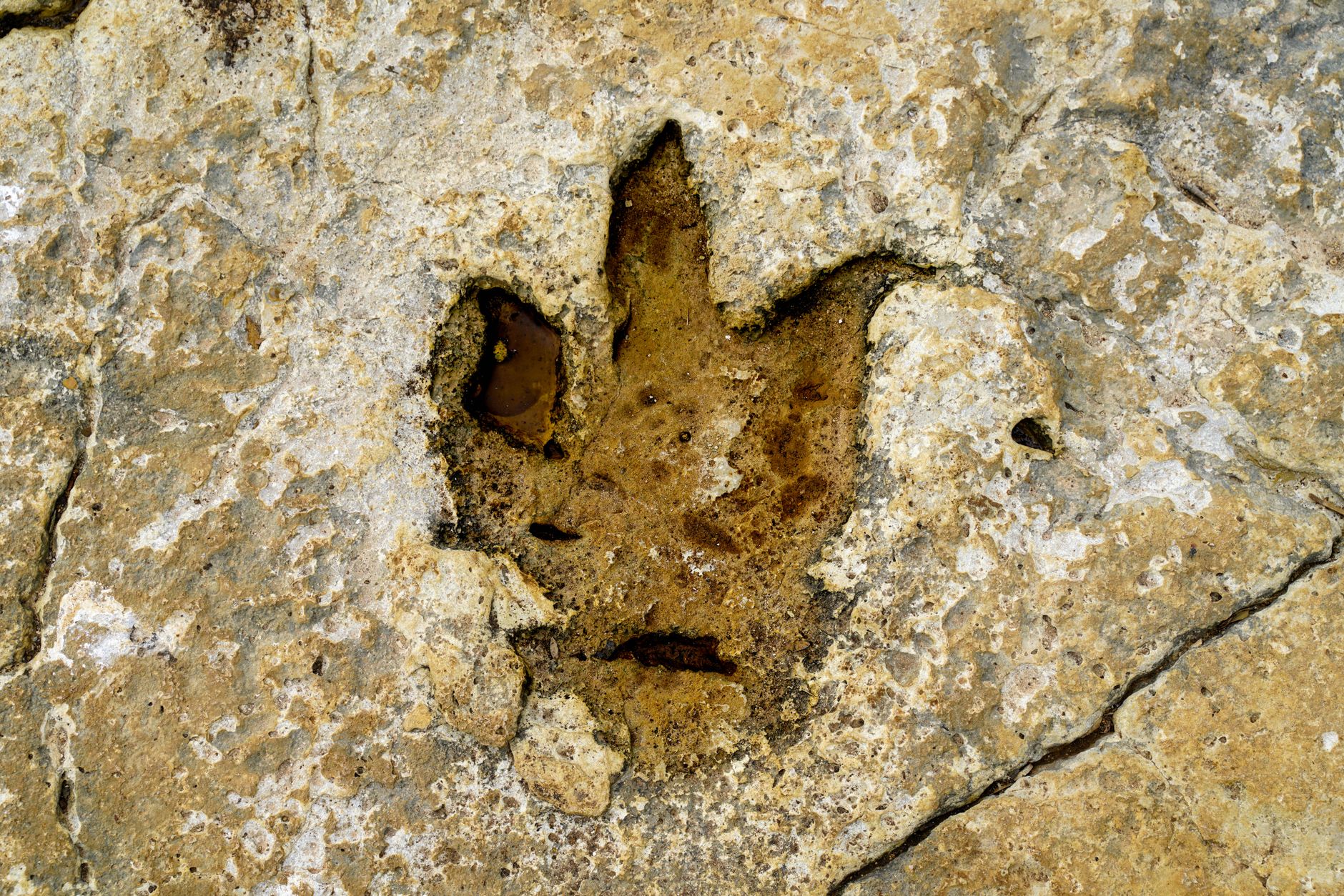
Photo by Vladimir Srajber on Pexels
